Oct 30, 2026Buyer Guides
How to Select Seamless Gas Cylinders
Four checks catch most bad seamless gas cylinders: the ISO 9809 route, the steel grade, gas compatibility and the shoulder stamps. Three more that buyers skip.
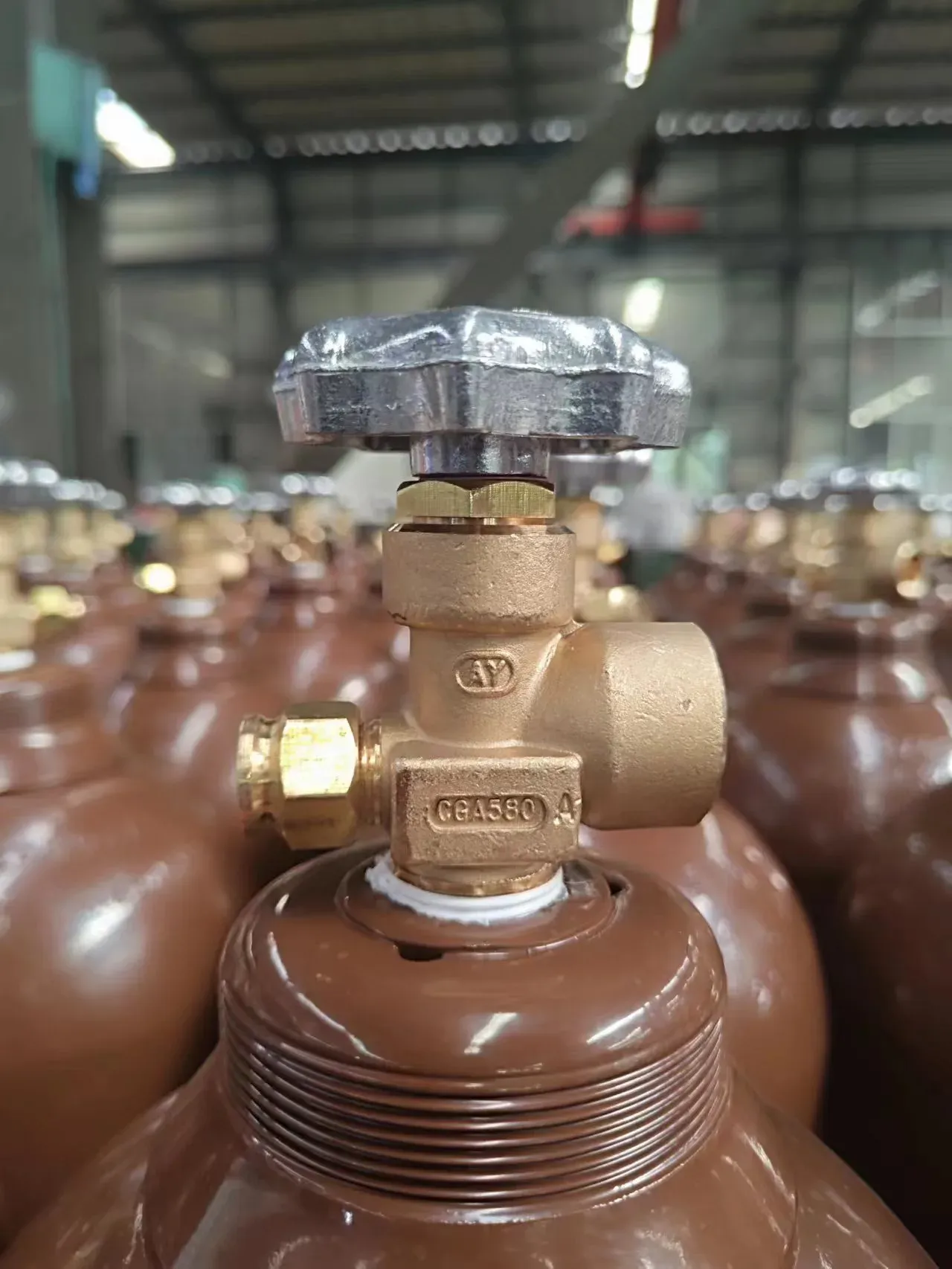
Quick answer: check the ISO 9809 route, the steel grade, the gas the cylinder will hold, and the stamps on the shoulder. Do that before you discuss price.
Four checks catch most of the problems in a seamless steel gas cylinder: the standard it is built to, the material and forming process, compatibility with the gas, and the stamped markings. The sections below take each in turn.
Key Checks When Buying Seamless Steel Gas Cylinders
Check which ISO 9809 route the cylinder follows
In the range we supply, seamless steel cylinders follow one of two ISO 9809 routes, built to ISO 9809-1 or ISO 9809-3. Part 1 covers quenched and tempered steel; Part 3 covers normalized steel. A cylinder follows one route, not both, so ask which one the design uses and check it against the steel grade on the certificate.
Be cautious with a product described as meeting a national standard when it only meets a company standard. Wall thickness, shoulder geometry and heat treatment are exactly where those shortcuts show up.
Material and forming process
A seamless cylinder is formed in one piece from alloy steel. With no longitudinal weld, one of the main failure points is gone; the pressure rating itself still comes from the steel grade, the wall thickness and the heat treatment.
Balance the operating temperature range against pressure and weight. For many industrial designs the range is around -40°C to 60°C, but confirm the figure for the specific design you are buying.
Match the cylinder to the gas
Different gases impose different requirements on inner-wall cleanliness and valve materials. Oxygen service, for example, requires an inner wall free of grease and sealing materials suited to an oxidizing gas.
Oxygen and carbon dioxide cylinders differ in material treatment and in filling authorization. Treat them as non-interchangeable unless your filling authority approves a conversion. Confirm that the cylinder carries the inspection stamps required for the gas you will fill.
Verify the stamped markings
A legitimate cylinder carries clear stamps on the shoulder: the manufacturing inspection mark, the cylinder serial number, actual weight, volume, working pressure, test pressure, filling medium, production date and next inspection date.
Cylinders with no stamps, blurred stamps, or stamps that look sanded off should not be purchased.
Beyond the Four Checks
Four more practical checks decide whether an order is worth placing, and they are the ones buyers most often skip.
Capacity
Common industrial and laboratory sizes include 40 L. Confirm the size against the working pressure and the gas volume you need, not the cylinder height alone.
Documentation for common sizes
For cylinders sourced from China, ask for the type-examination report for special equipment and the certificate of conformity at the time of purchase.
Service life and inspection cycle
Cylinders are regulated as special equipment in China, and destination markets set their own inspection intervals. Buy new cylinders and confirm they are inside the valid inspection period required where they will be filled.
Used and refurbished cylinders
Unbranded, used or refurbished cylinders without inspection reports, or of unknown origin, are not worth the saving. An unqualified cylinder carries a real risk of explosion, and no refund covers that.
What We Need to Quote
Tell us the gas (oxygen, nitrogen, argon, carbon dioxide and so on), the application (laboratory, industrial welding, medical or automotive), the working pressure and the destination port. We will confirm the cylinder size and the valve, send the certificate package your market asks for, and tell you plainly what we cannot provide.
Last updated: 30 October 2026. Image: product photography supplied by Seamless Cylinder Co.