Oct 30, 2026Standards & Compliance
Cylinder Standards: ISO, DOT, TPED
ISO 9809 sets how the cylinder is built; DOT covers US filling; TPED covers placing it on the EU market. Four questions decide the route, so ask them first.
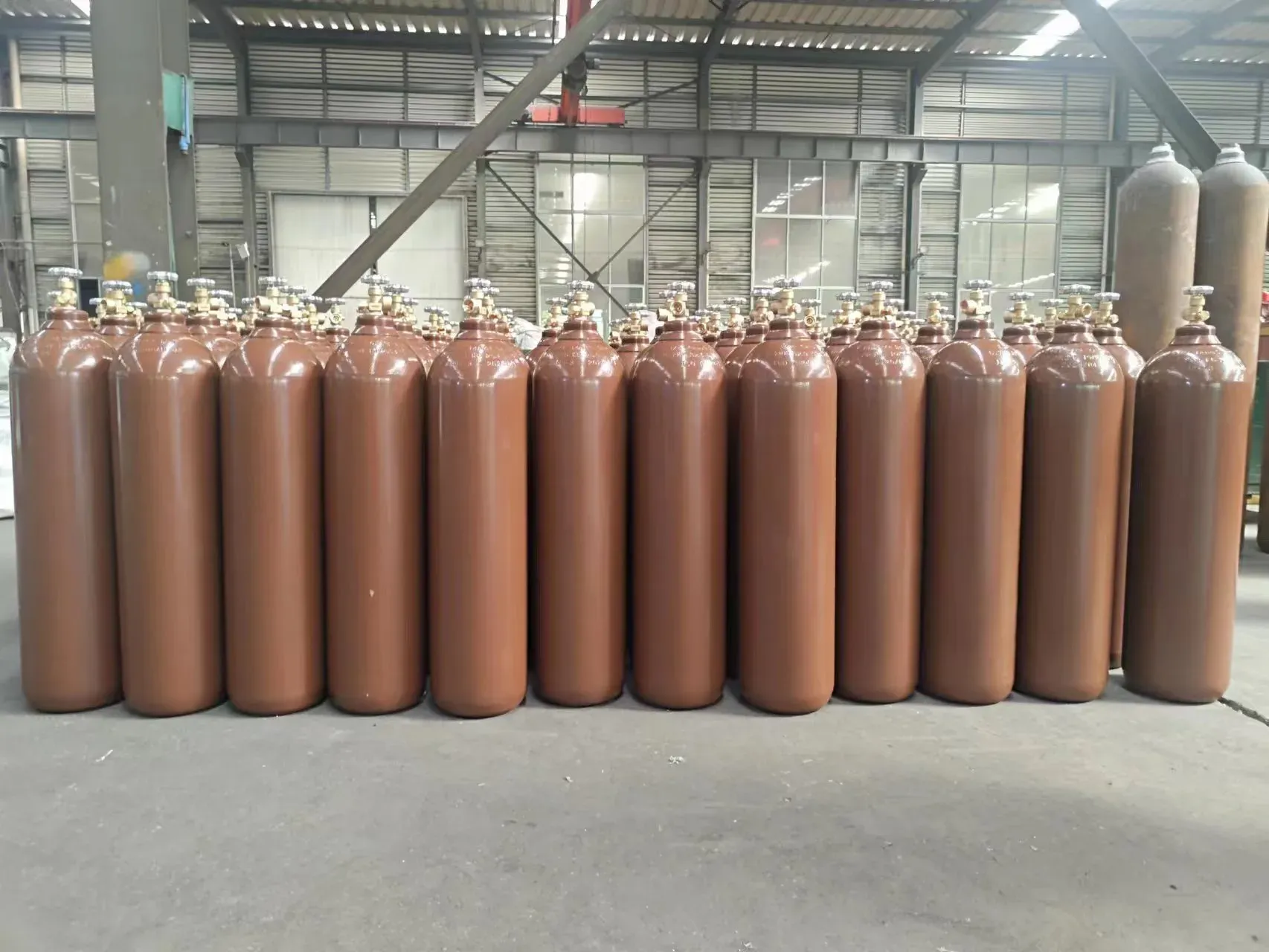
Quick answer: the standard follows the market where the cylinder will be filled and placed on the market, not the country where it was made. Confirm that first, then compare price.
Two seamless cylinders can come off the same production line with the same dimensions and still need different standards for different markets. The three systems most buyers meet are ISO 9809 for design and manufacture, the US DOT rules for cylinders filled in the United States, and TPED for transportable pressure equipment placed on the EU market. Each answers a different question.
What Goes Wrong If You Choose the Wrong One
A cylinder that does not match the filling market is not a small paperwork problem. The filling station refuses it, the mark cannot be changed afterwards, and a container already in transit sits in port while the documents are argued about. The checks below are cheap at the inquiry stage and expensive later.
Three Systems, Three Different Jobs
ISO 9809: How the Cylinder Is Designed and Made
ISO 9809 is the international design and manufacture standard for seamless steel gas cylinders. Part 1 covers quenched and tempered steel with a tensile strength below 1,100 MPa; Part 3 covers normalized steel. Higher-strength quenched and tempered designs go to Part 2, and stainless steel to Part 4.
ISO 9809 starts from a test pressure of at least 1.5 times working pressure, but the figure stamped on the cylinder comes from the approved design. A 150 bar cylinder commonly carries a 250 bar test, which is about 1.67 times. Compare the certificate and the type examination, not the arithmetic in your head.
One more term to keep straight: ISO uses working pressure, while US practice uses service pressure. They describe the same idea, but the number on the shoulder is written in the unit and convention of the regime it belongs to.
US DOT: The Rule for Cylinders Filled in the United States
Cylinders filled in the US are regulated under 49 CFR. Seamless steel cylinders normally fall under DOT 3AA for quenched and tempered steel, DOT 3A for normalized steel, or DOT 3AL for aluminum alloy. A DOT cylinder carries a specification mark, a service pressure, and the month and year of its last requalification.
DOT 3AA requires a test at not less than 5/3 of service pressure, so a 150 bar service pressure corresponds to a 250 bar test. A cylinder made outside the US still has to satisfy the US regime, including a registered manufacturer and inspection by an approved agency. Requalification intervals are set in 49 CFR 180.209: five years for most seamless steel cylinders, and ten years only in specified gas services, where the cylinder also carries the star mark.
TPED: The Rule for Transportable Pressure Equipment in the EU
TPED, Directive 2010/35/EU, covers transportable pressure equipment placed on the EU market. It requires conformity assessment by a notified body, the Pi marking, and periodic inspection by a notified body during service. The inspection intervals themselves come from ADR/RID, not from TPED.
TPED is not PED. PED (2014/68/EU) covers pressure equipment generally; TPED covers transportable pressure equipment and applies before the cylinder is placed on the market, not only after it enters service.
How to Choose: Four Questions
Where will it be filled, and where will it be placed on the market? US filling requires a DOT specification. The EU requires TPED conformity assessment and the Pi mark before the cylinder is placed on the market. Where it was manufactured decides neither.
What does the filling permit allow? In many markets the filling permit names the standard and the requalification interval the filler may accept. Ask for that wording before you choose a cylinder.
Are you choosing a design or a regime? ISO 9809 tells you how the cylinder is built. DOT and TPED also decide who certifies it, how it is marked and how it is requalified.
What documents will the buyer's authority ask for? A type examination report, a certificate of conformity, a notified body certificate, or evidence of a registered manufacturer and an approved inspection agency. Name them at the inquiry stage, not after the goods are ready.
Common Misunderstandings
"ISO 9809 certified." ISO 9809 is a design standard. What a buyer needs is the type examination and the conformity certificate tied to that design, issued through a route their market accepts.
One cylinder, every mark. Dual or multiple marking is possible, but each regime has to be satisfied in full. A mark without the approval behind it is a warning sign, not a selling point.
Same size, same pressure rating. The number on the shoulder is written in the convention of its own regime, in bar or psi. Check the unit and the certificate before comparing two cylinders that look identical.
TPED is PED. Different instruments, different scope, different documents.
What to Ask a Supplier
Which standard, and which part, the design follows.
The steel grade and the heat treatment.
The working pressure and the test pressure, and the ratio the certificate states.
Who issued the type examination, and what markings the cylinder carries.
Which documents are available for your destination, and which are not.
How We Work
We are an export supplier, not a factory. Our cylinder supply follows ISO 9809-1 and ISO 9809-3, and certification documents can be provided to meet destination-country requirements. If your market requires DOT or TPED conformity, tell us at the inquiry stage: we will confirm what our supply chain can provide, and say plainly what it cannot.
Send your destination, the gas and the working pressure, and we will tell you which documents the order needs before you commit.
Last updated: 30 October 2026. Image: illustrative.