Oct 30, 2026Shipping & Sourcing
Shipping Gas Cylinders From China
Whether the cylinders ship empty or filled decides the packing, the documents and the hazard class. What to confirm before the container leaves.
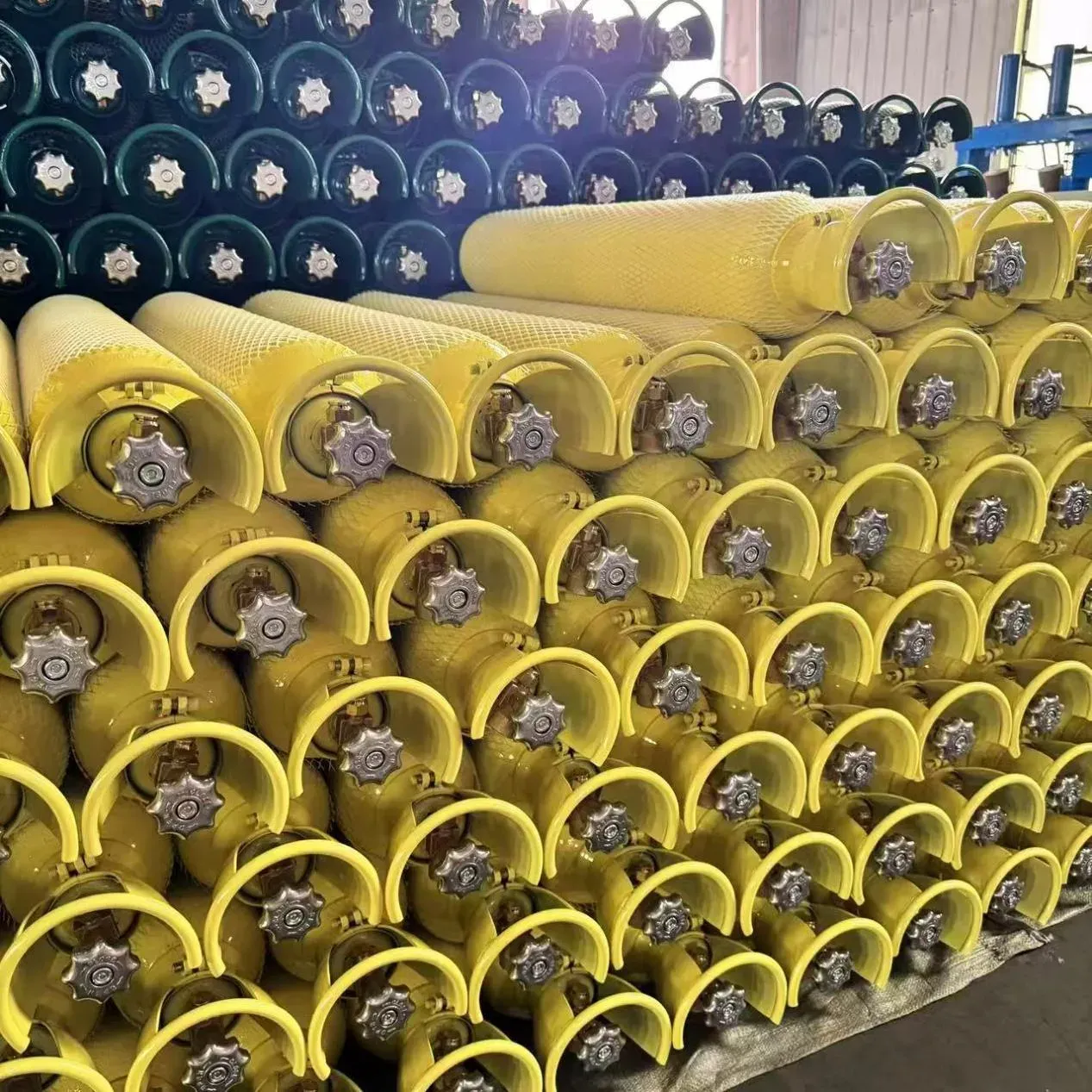
Quick answer: new cylinders that have never been filled ship as general cargo; filled cylinders ship as dangerous goods. A cylinder that has held gas stays dangerous until it has been cleaned, purged and declared empty.
Moving gas cylinders from China to an overseas buyer is mostly a documentation exercise with a packing problem attached. The cylinders themselves are durable; what goes wrong is a missing certificate, an undeclared residue, or a pallet that arrives with valves unprotected.
First Question: Empty or Filled?
New cylinders are normally shipped empty, valve closed and a valve protection cap fitted. That is a different shipment from filled cylinders, which fall under the IMDG Code as dangerous goods: they need a dangerous goods declaration, the correct UN number and hazard class, and a carrier that accepts them. Dangerous goods bookings usually need more notice than general cargo, and some ports accept them only on certain routes.
Empty is not the same as unregulated. A cylinder that has contained gas is still treated as dangerous goods until it has been cleaned, purged and declared empty, and carriers differ in how strictly they apply this. Confirm the carrier's rule in writing before the container is packed.
Packing That Survives Sea Freight
Three things protect cylinders in transit: the valve cap, the way they are restrained, and the pallet or carton underneath them.
Valve caps stay on until the cylinder reaches the filling plant. Cylinders travel upright and restrained, on pallets or in cartons, not loose in a container where they can knock against each other. Where cylinders ship in bulk, the load is blocked and braced so it cannot shift at sea.
Solid wood pallets and crates normally need ISPM 15 treatment and the IPPC mark, or the shipment can be refused at the destination. Plywood and particle board are usually exempt, so it is worth checking which one your packing list actually describes.
Documents Buyers Ask For
The exact list depends on the destination, but a cylinder shipment typically carries: a commercial invoice, a packing list, a certificate of origin, a certificate of conformity to the manufacturing standard, a design type-approval or type-examination certificate where that market requires one, and material certificates where the buyer expects them.
Filled cylinders add a dangerous goods declaration and a safety data sheet. Buyers in regulated markets may also ask for evidence that the plant making your cylinders is approved for that market. That is a different document from the design type-approval certificate and from the batch test certificate, and it is worth asking for the exact name before the order is placed.
Ask for the document list before the order is confirmed, not after the goods are ready. A missing certificate at the port is more expensive than a slower production schedule.
What Sets the Lead Time
The main things that move the date are whether the size is in stock or made to order, how long testing and certification take for that design, how the order is packed, and the sailing schedule for the route. Peak season space and holiday shutdowns move it too.
Compare quotations on the same Incoterm. FOB ends when the cargo is on board; CIF adds main freight and insurance to the named destination port. Import clearance, duties and inland transport sit with the buyer under both, and unloading depends on the freight contract, so two numbers are only comparable when the terms match.
Checks Before the Container Closes
Confirm the cylinders match the certified design; check that every valve cap is fitted; confirm the pallet marks; check that the documents match the packing list line by line; and photograph the packed load, because that is the evidence you will need if something arrives damaged.
How We Work
We are an export supplier, not a factory. Our cylinder supply follows ISO 9809-1 and ISO 9809-3. We confirm the cylinder and valve configuration, prepare the documents our supply chain can provide for your market, and tell you plainly what we cannot provide. Send the destination port, the quantity and whether the cylinders ship empty or filled, and we will confirm the packing and document list for that route.
Last updated: 30 October 2026. Image: illustrative.